

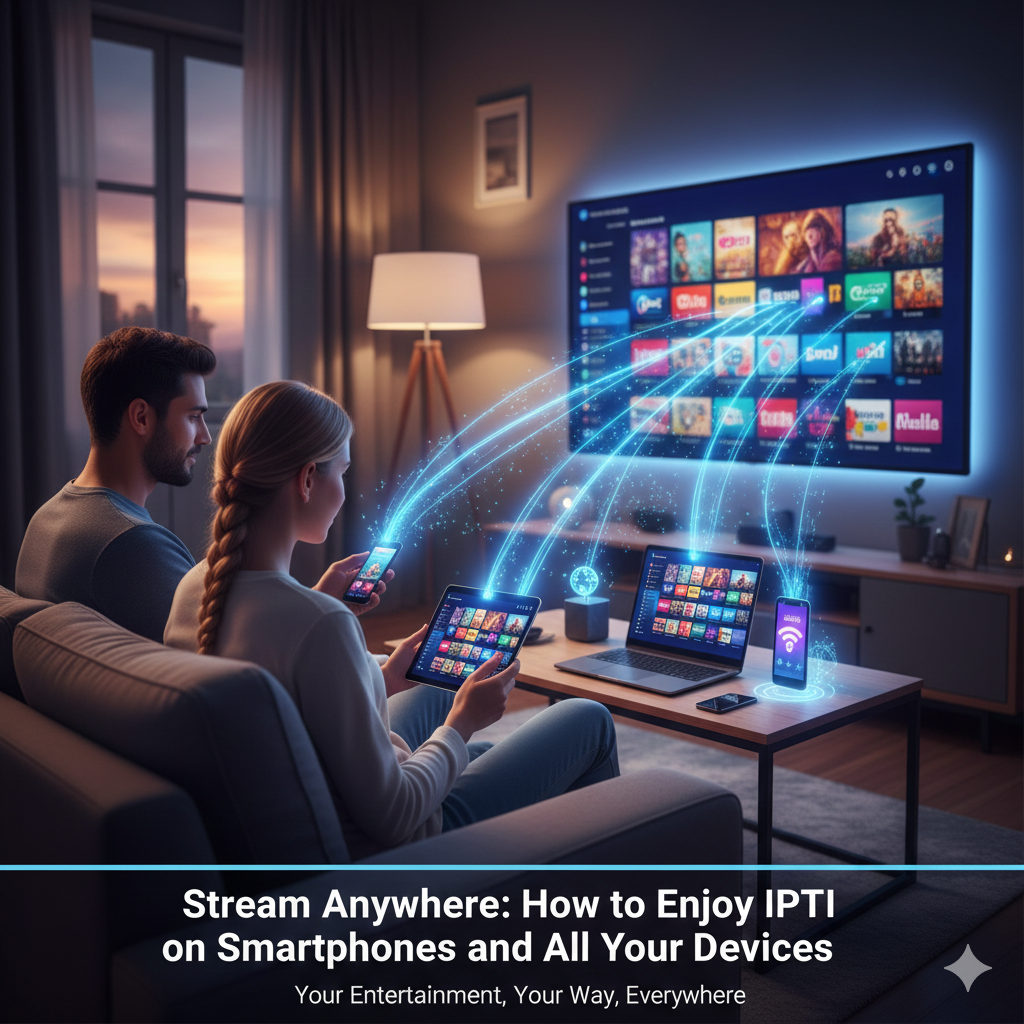
Stream Anywhere: How to Enjoy IPTV on Smartphones and All Your Devices
Estimated reading time: 5 minutes
Key Takeaways
- Internet Protocol Television (IPTV) uses your internet connection for content, offering *flexibility* and *vast choice*.
- Smartphones are now a *primary device* for accessing IPTV, making entertainment mobile and accessible.
- This guide details how to set up IPTV on smartphones, smart TVs, and laptops for a *seamless streaming experience*.
- Many IPTV subscriptions allow for *simultaneous streaming* on multiple devices, perfect for diverse household needs.
- Choosing *optimized devices* and using *VPNs* for geo-restrictions are key to enhancing your IPTV journey.
Table of contents
- Stream Anywhere: How to Enjoy IPTV on Smartphones and All Your Devices
- 1. The Ultimate Portable Entertainment: How to Enjoy IPTV on Smartphones
- 2. Immerse Yourself: Experiencing IPTV on Smart TV
- 3. Versatility on the Go: How to Watch IPTV on Laptop
- 4. Seamless Family Entertainment: IPTV on Multiple Devices Simultaneously
- 5. Optimizing Your Setup: Best Devices for IPTV and IPTV Streaming Devices
- 6. Breaking Geo-Restrictions: How to Access IPTV Worldwide
- Frequently Asked Questions
Internet Protocol Television, often known as IPTV, is changing how we watch TV. Instead of old-fashioned cables or broadcast signals, IPTV uses your internet connection to bring you television content. This smart way of watching TV gives you lots of choices and lets you watch what you want, when you want. It brings live TV shows, movies you can pick (video-on-demand or VOD), and other cool services right to your screen. This means you can enjoy IPTV on multiple devices.
The way we watch TV has changed a lot, especially with the rise of smartphones. These handy devices have become a main way for people to access mobile IPTV. Now, watching your favorite shows and movies is easy and available to everyone, even when you’re out and about. Enjoying your favorite digital television content has never been more flexible.
This guide will show you how to easily set up and enjoy Internet Protocol Television on all your screens. We’ll cover everything from how to use IPTV on smartphones for viewing on the go, to getting a big picture with IPTV on smart TV, and even how to watch IPTV on laptop computers. Get ready to stream your favorite programs wherever you are!
1. The Ultimate Portable Entertainment: How to Enjoy IPTV on Smartphones
Watching digital TV on your phone is super popular, and it’s easy to see why. Having IPTV on smartphones means you can take your entertainment with you everywhere. This makes boring commutes or quiet downtime much more fun, turning any spare moment into a chance to catch up on shows or movies. It’s the ultimate portable media streaming experience.
Accessing IPTV on a Smartphone
Getting your favorite streaming content onto your mobile phone is a simple process. Here’s how you do it:
- App Installation: First, you’ll need a special app called a player. This app helps your phone understand and play the IPTV signals. Think of it like a remote control and a TV screen all in one for your mobile device.
- Recommended Apps: There are several great apps you can use. Some popular choices include IPTV Smarters Pro, which is very user-friendly, or GSE Smart IPTV. For a more general media player that also works well, VLC for mobile is a fantastic option. (Also see: Android Police on Best IPTV Players) These applications are designed to provide a smooth mobile viewing experience.
- Subscription Details Input: Once you have installed your chosen app, the next step is to tell it about your IPTV subscription. Your IPTV service provider will give you specific details. These usually come as an M3U URL (which is like a link to a list of channels), Xtream Codes API information, or an EPG URL (for your electronic program guide). You’ll type or paste these details into the app.
- Benefit: This quick setup lets you instantly dive into a huge library of shows, movies, and live channels directly from your small, handheld device. It gives you incredible access and flexibility, letting you enjoy high-quality video content anytime, anywhere. This accessibility is what makes IPTV on smartphones such a powerful tool for entertainment.
2. Immerse Yourself: Experiencing IPTV on Smart TV
When you switch from your phone to a big screen, enjoying IPTV on a smart TV brings a whole new level of experience. It’s perfect for watching with family and friends, or when you simply want to feel like you’re in a movie theater right in your living room. The larger display makes for a much more immersive viewing experience for your digital TV programs.
Methods of Access
There are several straightforward ways to get IPTV onto your smart television:
- Direct App Installation: Many smart TVs today run on smart operating systems. For example, TVs from brands like Sony, Philips, and TCL often use Android TV. Samsung TVs use Tizen, and LG TVs use webOS. These TVs have their own app stores, just like your smartphone. You can simply download dedicated IPTV player apps directly from these stores. This is usually the easiest way to get streaming services right on your television set.
- Casting: Another clever way is to ‘cast’ content from your mobile device. If you’re already watching something on your smartphone or tablet, you can send it wirelessly to your smart TV. Technologies like Google Chromecast or Apple AirPlay make this possible. Your phone acts like a remote, and the TV displays the video content. This is a great option if your TV doesn’t have a specific IPTV app.
- External IPTV Streaming Devices: Sometimes, your smart TV might not have the right apps, or you might want better performance. In these cases, you can connect an external device. These are known as IPTV streaming devices. Popular examples include the Amazon Fire TV Stick, Roku devices, or Android TV boxes. You simply plug these small gadgets into your TV’s HDMI port. They then turn any regular TV into a powerful, IPTV-ready entertainment center, offering a wide range of media streaming options. (For more details: MakeUseOf on Smart TV IPTV)
3. Versatility on the Go: How to Watch IPTV on Laptop
Laptops are fantastic tools, and they also make a very flexible platform for enjoying your favorite shows and movies. Knowing how to watch IPTV on laptop computers means you can blend entertainment with work or study. Whether you’re at a desk, traveling for business, or simply want a slightly larger screen than your phone, your laptop has you covered for streaming digital television.
Access Methods
Getting your IPTV service to play on your laptop is quite straightforward, with a few different methods to choose from:
- Web-Based Players: Many IPTV service providers offer a web player. This means you don’t even need to download anything. You just open your favorite internet browser, like Chrome or Firefox, go to the IPTV provider’s website, log in, and start streaming directly. It’s a very convenient way to access your channels and video-on-demand library.
- Dedicated Desktop Applications: For a more robust and often smoother experience, you can use dedicated applications designed for desktop computers. These programs are often more powerful and offer better control over your media.
- VLC Media Player: A very popular and free choice is VLC Media Player. This versatile software can play almost any video or audio file. It’s also great for IPTV because it can open and play M3U playlists, which is how many IPTV services organize their channels. VLC offers broad compatibility and is a trusted media player for many users.
- Kodi: Another excellent option is media center software like Kodi. Kodi lets you organize all your media in one place. It supports IPTV through special add-ons, like the “PVR IPTV Simple Client.” Once you set this up, Kodi acts as a complete digital television receiver, giving you a full Electronic Program Guide (EPG) and easy access to all your subscribed channels.
- Browser Extensions: Some IPTV services also provide special browser extensions. These small add-ons for your internet browser offer quick access to your IPTV channels without needing to navigate to a specific website every time. They make it even faster to start streaming your chosen content. Source
4. Seamless Family Entertainment: IPTV on Multiple Devices Simultaneously
One of the greatest advantages of modern IPTV services is their ability to cater to different tastes at the same time. Many IPTV subscriptions are designed to allow for simultaneous streaming. This means you can enjoy IPTV on multiple devices all at once, creating a flexible and harmonious viewing environment for everyone in your home. It’s perfect for families with diverse entertainment preferences.
Concurrent Stream Limitations
While multi-device streaming is wonderful, it’s important to understand a key detail:
- Provider Limits: IPTV providers usually set a limit on how many different screens can watch content at the same time. This is known as the number of “concurrent streams.” This number can vary greatly, often depending on the type of subscription you have chosen. Some basic plans might only allow one stream, while premium packages could let you stream on several devices simultaneously. It is really important to check these rules with your provider. If you try to use too many devices at once, your service might stop working on some of them, leading to interruptions. Understanding these limits helps ensure everyone gets a smooth and enjoyable viewing experience across all connected devices.
Benefits
The ability to stream on various devices at once offers huge advantages:
- This multi-device capability is incredibly useful for homes where everyone likes to watch something different. One person might be enjoying live sports on the smart TV, another catching up on a TV series on their laptop, and a third watching a movie on their smartphone – all at the same time. It eliminates arguments over the remote control and makes sure everyone can watch their preferred content simultaneously, enhancing the overall home entertainment experience.
5. Optimizing Your Setup: Best Devices for IPTV and IPTV Streaming Devices
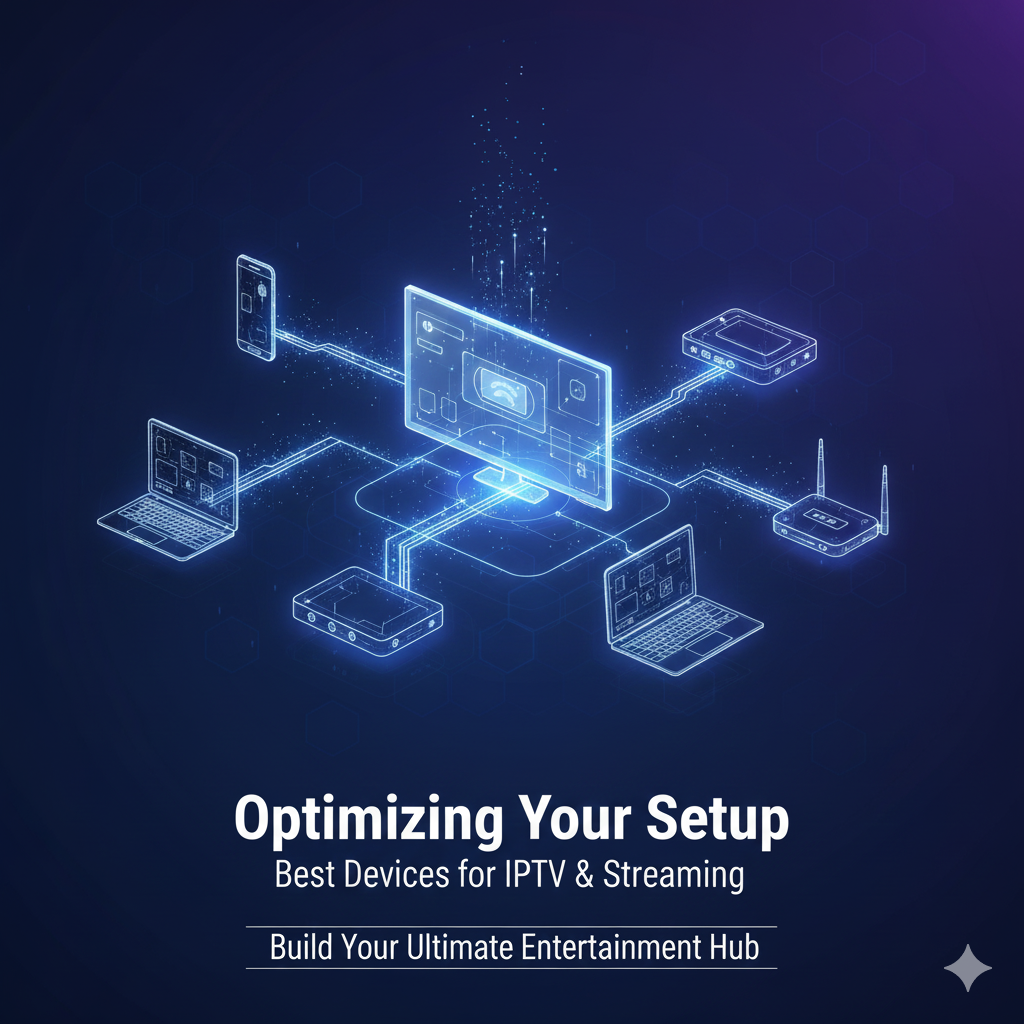
The device you choose to watch your Internet Protocol Television on can make a big difference. Choosing the right hardware can significantly enhance your streaming content experience, making it smoother, faster, and more enjoyable. It’s about getting the most out of your digital TV subscription.
High-Performance Recommendations
If you’re looking for the very best quality and speed, some devices stand out:
- Nvidia Shield TV Pro: This device is often highly recommended for its powerful performance. It has strong processors, lots of storage space, and a reliable operating system. This allows it to easily handle high-resolution video streams (like 4K) and run demanding apps without any lag. It’s a top-tier media streamer for serious viewers.
Budget-Friendly Options
You don’t always need to spend a lot to get a great experience. There are excellent choices that offer good value:
- Amazon Fire TV Stick 4K Max & Roku devices: These devices provide fantastic value for money. They are known for being very easy to use and offer a seamless playback experience for IPTV. They are compact, affordable, and bring a wide range of streaming capabilities to your television.
Advantages of Dedicated IPTV Streaming Devices
While you can watch IPTV on many general devices, dedicated streaming boxes and sticks offer special benefits:
- Optimized for Media: Dedicated IPTV streaming devices are built specifically for watching media. This means their internal parts and software are fine-tuned to give you the best streaming performance.
- Better Power and Control: They often come with better processing power than, say, a smart TV’s built-in system. They also typically include dedicated remote controls that are easy to use and designed just for media navigation.
- Wider Compatibility: These specialized devices usually have broader compatibility with a wider range of IPTV apps and services, giving you more choices for your digital television experience.
Key Considerations When Choosing
When you’re trying to figure out the best devices for IPTV, keep these important things in mind:
- Processor Speed: A faster processor means smoother playback and quicker app loading.
- RAM (Memory): More RAM helps devices handle multiple tasks and high-quality streams without slowing down.
- Storage for Apps: Enough storage ensures you can download all the IPTV players and other apps you need.
- Quality of the Remote Control: A well-designed, easy-to-use remote can greatly improve your daily viewing experience.
Thinking about these factors will help you pick the perfect media streamer for your home.
6. Breaking Geo-Restrictions: How to Access IPTV Worldwide
Sometimes, even with the best IPTV service, you might run into a problem called “geographical restrictions.” This means that certain shows or channels might not be available in your country due to content licensing agreements. It can be frustrating when you’re trying to enjoy your digital television from afar. This influences your ability to be able to access IPTV worldwide.
Using VPNs
Luckily, there’s a smart solution to bypass these limitations:
- Purpose: To get around these geo-blocks and make sure you can access IPTV worldwide, users often use a special tool called a Virtual Private Network (VPN). A VPN is like a secret tunnel for your internet connection.
- How it Works: When you use a VPN, two main things happen. First, it encrypts, or scrambles, all your internet traffic. This keeps your online activities private and safe from prying eyes. Second, it sends your internet traffic through a server in a different country. This makes it look like you are browsing the internet from that other country, not your actual location. For example, if a show is only available in the UK, you can connect to a VPN server in the UK, and your IPTV service will think you are there. This clever trick lets you access content that would otherwise be blocked in your region, expanding your streaming options significantly.
Provider Selection
To ensure you have the best global viewing experience:
- It’s really important to pick a good IPTV provider. Look for one that either offers content globally without many restrictions, or one that is known to work well with VPN services. This combination will ensure you get consistent access and smooth performance no matter where you are in the world. A reliable provider combined with a good VPN will let you truly access IPTV worldwide without hassle.
IPTV gives you amazing flexibility and convenience, letting you enjoy a rich world of entertainment across all your devices. From the incredible portability of IPTV on smartphones, perfect for mobile viewing, to the cinematic big screen experience you get with IPTV on smart TVs, and the useful versatility of watching IPTV on laptops, this modern TV system has something for every viewing need. The entire digital television ecosystem is designed to cater to your preferences.
To make the most of your IPTV journey, remember to pick the best devices for IPTV. This might mean using dedicated IPTV streaming devices that are specially made for smooth media streaming. Also, understand how to access IPTV worldwide, which often involves using a VPN to get past any geographical content blocks. By following these tips, you can fully enjoy the potential of an IPTV on multiple devices subscription, making sure your favorite shows and movies are always within reach, no matter where you are or what device you’re using.
Frequently Asked Questions
What exactly is IPTV?
IPTV, or Internet Protocol Television, is a modern way of delivering TV content over the internet using IP networks. Unlike traditional cable or satellite, it offers on-demand video (VOD), live TV, and interactive services, giving you more control over what you watch and when.
Can I watch IPTV on my smartphone?
Absolutely! Watching IPTV on smartphones is very popular. You simply need to download an IPTV player app (like IPTV Smarters Pro or VLC for mobile), enter your subscription details, and you can start streaming your favorite shows and movies on the go.
How do I get IPTV on my smart TV?
There are several ways. You can directly install an IPTV app from your smart TV’s app store (e.g., Android TV, Tizen, webOS). Alternatively, you can cast content from your mobile device using Chromecast or AirPlay, or connect an external IPTV streaming device like an Amazon Fire TV Stick or Roku to your TV’s HDMI port.
Are there limits to how many devices can stream IPTV simultaneously?
Yes, most IPTV providers set a limit on “concurrent streams,” which is the number of devices that can watch content at the same time. This limit varies by subscription plan, so it’s important to check with your specific provider to avoid interruptions.
Do I need a special device to watch IPTV at home?
While you can watch IPTV on general devices like smart TVs, smartphones, and laptops, dedicated IPTV streaming devices (e.g., Nvidia Shield TV Pro, Fire TV Stick) are often recommended. They are optimized for media playback, offer better performance, and usually come with user-friendly remotes for a superior viewing experience.
Can I watch IPTV if I’m traveling internationally or facing geo-restrictions?
Yes, you can often bypass geographical restrictions by using a Virtual Private Network (VPN). A VPN encrypts your internet traffic and routes it through a server in a different country, making it appear as if you are browsing from that location, thus allowing you to access content that might otherwise be blocked in your region.